
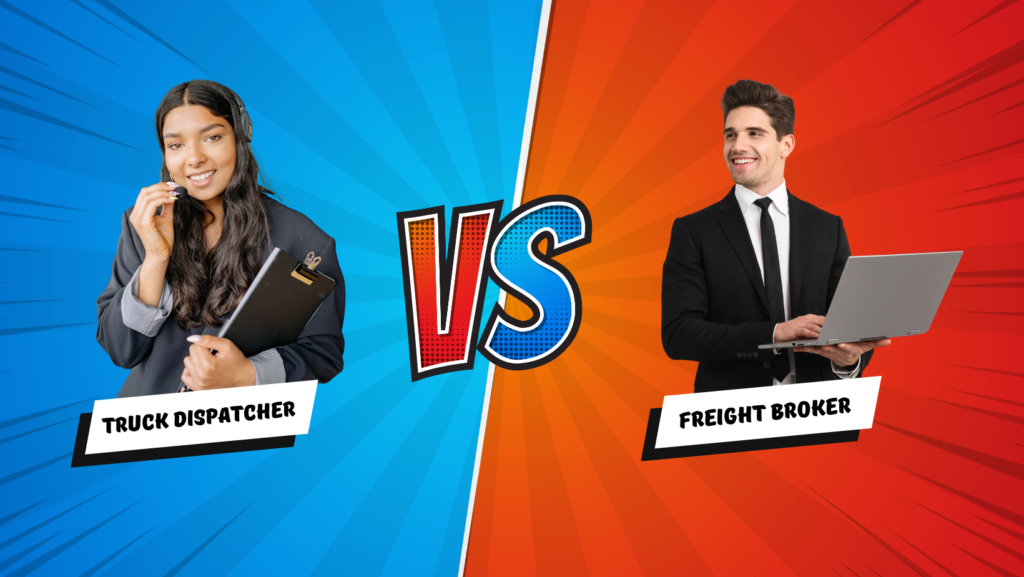
Truck Dispatcher vs Freight Broker: Key Differences
Learn skills, basics, and how to become a successful truck dispatcher. +91-9256066667

The logistics and transportation industry is growing rapidly, creating thousands of career opportunities worldwide. Two of the most popular roles in this field are Truck Dispatcher and Freight Broker.
If you’re planning to start a career in trucking or logistics, understanding the difference between these two roles is very important. In this guide, we’ll break down everything in simple terms so you can choose the right path.
Read More: Truck Dispatcher vs Freight Broker: What’s the Difference?
A Truck Dispatcher works directly with truck drivers or trucking companies to manage daily operations. Their main goal is to find loads, assign routes, and keep trucks moving efficiently.
What is a Truck Dispatcher?
A Truck Dispatcher works directly with truck drivers or trucking companies to manage day-to-day transportation operations. Their main responsibility is to ensure that trucks are always on the road with profitable loads. They search for loads from load boards, negotiate rates with brokers, and assign the best possible routes to drivers. Dispatchers stay in constant communication with drivers to guide them about pickup and delivery schedules, helping avoid delays and improving overall efficiency.
In addition to load management, dispatchers also handle important paperwork and coordination tasks. This includes preparing rate confirmations, tracking shipments, updating brokers about load status, and solving issues like route changes, breakdowns, or detention delays. A good dispatcher focuses on maximizing driver earnings while minimizing empty miles. This role requires strong communication skills, problem-solving ability, and the capacity to manage multiple tasks at the same time, making it a great career option for students who enjoy operations and coordination work.
Key Responsibilities of a Truck Dispatcher
- Finding Loads from Load Boards
A dispatcher searches for available freight on different load boards and selects the best-paying and most suitable loads for drivers. The goal is to reduce empty miles and keep trucks running continuously to maximize earnings. - Communicating with Drivers
Dispatchers stay in regular contact with drivers to share load details, pickup and delivery instructions, and solve any issues on the road. Clear communication ensures smooth operations and avoids delays. - Planning Routes for Timely Delivery
They carefully plan the most efficient routes by considering distance, traffic, fuel stops, and delivery deadlines. Proper route planning helps in saving time, fuel costs, and ensures on-time deliveries. - Handling Paperwork and Documentation
Dispatchers manage important documents like rate confirmations, invoices, and load details. They also ensure all paperwork is accurate and submitted on time to avoid payment delays. - Negotiating Rates with Brokers
A dispatcher negotiates with freight brokers to get the best possible rate for each load. Strong negotiation skills help increase profit margins for drivers or trucking companies.
Skills Required for a Truck Dispatcher
- Communication Skills
A dispatcher must communicate clearly with drivers, brokers, and clients. Good communication helps avoid confusion, ensures smooth coordination, and builds strong professional relationships. - Basic Computer Knowledge
Since most work is done online, a dispatcher should know how to use computers, emails, spreadsheets, and dispatch software. This helps in managing loads, documents, and daily tasks efficiently. - Load Board Handling
Understanding how to use load boards is very important. A dispatcher should know how to search, filter, and select the best loads based on rate, distance, and availability to maximize profit. - Time Management
Dispatchers handle multiple tasks at once, so managing time properly is crucial. They need to plan schedules, track deliveries, and ensure everything runs on time without delays.
What is a Freight Broker?
A Freight Broker acts as a middleman between shippers (companies that need goods transported) and carriers (truck owners).
They don’t manage trucks directly—instead, they connect businesses with transportation services and earn commission.
Key Responsibilities of a Freight Broker
- Finding Clients (Shippers)
A freight broker’s first job is to find businesses that need to transport goods. This involves reaching out to companies, building connections, and securing shipping contracts. - Connecting Them with Carriers
Once a shipper is found, the broker connects them with reliable trucking companies or owner-operators who can handle the load safely and on time. - Negotiating Freight Rates
Brokers negotiate prices with both shippers and carriers. Their goal is to secure a good deal from the shipper and pay a fair rate to the carrier while keeping a profit margin. - Managing Contracts and Agreements
They handle all legal and business documents, including contracts, rate agreements, and terms of service to ensure everything is clear and professional. - Ensuring Smooth Shipment Delivery
Even after booking the load, brokers monitor the shipment to ensure it is delivered on time. They coordinate between shipper and carrier to quickly resolve any issues during transit.
Skills Required for a Freight Broker
- Sales & Negotiation Skills
A freight broker must be confident in selling their services and negotiating deals. Strong negotiation helps secure better rates from shippers while maintaining profit margins. - Networking Ability
Building connections is key in this role. Brokers need to develop strong relationships with shippers and carriers to get regular business and reliable partners. - Knowledge of Logistics Market
Understanding market trends, freight rates, demand, and supply helps brokers make smart decisions and stay competitive in the industry. - Business Communication
Professional communication is important when dealing with clients and carriers. Clear and effective communication builds trust and ensures smooth business operations.
Truck Dispatcher vs Freight Broker (Quick Comparison)
| Feature | Truck Dispatcher | Freight Broker |
|---|---|---|
| Work Type | Manage trucks & drivers | Connect shippers & carriers |
| Role | Operations | Sales/Business |
| Investment | Low | Medium to High |
| Risk | Low | High |
| Income | Stable | High but variable |
| Skills Needed | Coordination | Sales & negotiation |
Final Thoughts
Both Truck Dispatching and Freight Brokering are great career options in the logistics industry, but for beginners, truck dispatching is the easiest and smartest way to start. It doesn’t require heavy investment or advanced business setup. In simple words, truck dispatching means managing trucks from behind the screen—you help drivers find loads, guide them on routes, and make sure deliveries happen smoothly. You are like the “brain behind the truck,” handling all the planning while the driver focuses on driving.
For students who are new to logistics, dispatching is easy to learn and practical to start. You just need basic computer knowledge, communication skills, and a good understanding of load boards. With time, you gain real industry experience—how freight works, how rates are decided, and how to deal with brokers and drivers. Once you understand the system and build confidence, you can move to freight brokering, where earning potential is higher. So, truck dispatching is not just a job—it’s a strong foundation to build a long-term career in the transportation industry.
Frequently Asked Questions (FAQs)
A Truck Dispatcher manages daily truck operations, including finding loads, communicating with drivers, planning routes, handling paperwork, and ensuring timely delivery.
A Freight Broker finds clients (shippers), connects them with carriers, negotiates rates, manages contracts, and ensures smooth shipment delivery.
Truck Dispatchers work directly with drivers, while Freight Brokers usually do not interact with drivers regularly.
Yes, Truck Dispatching is an operational role focused on managing trucks, routes, and deliveries.
Yes, Freight Brokering is mainly a sales and business role that involves finding clients and closing deals.
Both roles find loads, but:
Dispatchers find loads for their trucks
Brokers find loads from clients and assign them to carriers
Both dispatchers and brokers handle paperwork, but dispatchers focus on operational documents, while brokers manage contracts and billing.
Both roles require communication:
Dispatchers communicate with drivers
Brokers communicate with clients and carriers
Both roles negotiate rates:
Dispatchers negotiate with brokers
Brokers negotiate with both shippers and carriers
Truck Dispatchers have more responsibility in daily operations as they manage truck movement and delivery schedules.
Yes, Truck Dispatching is easier for beginners as it involves less risk and fewer sales skills compared to Freight Brokering.
Truck Dispatching is best for beginners. It is easy to learn, requires low investment, and helps you start your career quickly.

