

Tips for Daily Nannies Routines
For any questions or queries, connect with SGNI today!
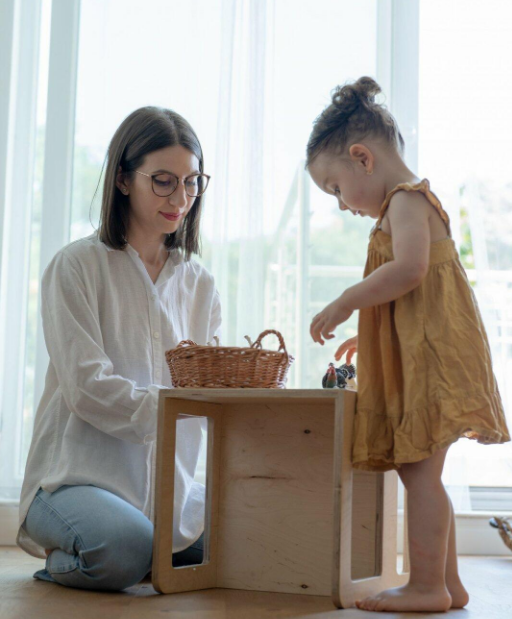
A well-structured daily routine plays a crucial role in a child’s development, providing stability, security, and fostering essential life skills. As a nanny, understanding and implementing effective routines can enhance a child’s growth and make caregiving more manageable. This guide will help you establish structured and beneficial daily routines for kids.
Understanding the Importance of Daily Routines in Child Development
Daily routines create a sense of predictability and security, which is essential for children’s emotional and psychological well-being. Some key benefits of structured routines include:
Emotional Security: A predictable schedule reduces anxiety and fosters confidence.
Better Sleep Patterns: Consistent bedtimes and wake-up routines improve sleep quality.
Healthy Eating Habits: Regular meal and snack times encourage balanced nutrition.
Improved Behavior: Children are less likely to act out when they understand expectations.
Enhanced Learning: Routine activities like reading and creative play support cognitive development.
Structured Routines Across Developmental Stages
Nannies must tailor daily schedules according to a child’s age and developmental needs. Here’s a basic framework:
Infants (0-12 months)
Feeding: Every 2-4 hours, depending on age
Sleep: 14-17 hours per day, including naps
Playtime: Short, engaging activities for sensory stimulation
Diaper Changes & Hygiene: Every few hours or as needed
Toddlers (1-3 years)
Meal & Snack Times: Three meals and two snacks daily
Nap Time: One to two naps daily
Outdoor Activities: Walks, playground time, or interactive play
Story Time & Learning Activities: Encourages language development
Bedtime Routine: Bath, bedtime story, and lights out at a consistent time
Preschoolers (3-5 years)
Morning Routine: Dressing up, breakfast, and hygiene
Structured Learning & Play: Educational games, puzzles, and group activities
Nap or Quiet Time: A short rest or independent play
Outdoor Activities: Sports, running, and creative play
Evening Routine: Dinner, hygiene, reading, and bedtime
Strategies for Crafting Effective Daily Routines
To create a successful daily routine, consider these expert tips:
Consistency is Key: Stick to the schedule to help children feel secure.
Balance Activities: Include a mix of play, learning, meals, and rest.
Be Flexible: Adjust routines based on the child’s needs and temperament.
Use Visual Schedules: Picture charts or timers can help young children understand routines.
Encourage Independence: Allow children to complete simple tasks, like dressing themselves.
Incorporate Learning Opportunities: Turn everyday activities into educational moments.
Case Studies in Establishing Effective Routines
Case Study 1: Toddler Routine Transformation
A nanny struggled with a toddler’s erratic sleep and tantrums. By introducing a fixed nap time, structured mealtimes, and a calming bedtime routine, the child’s behavior and sleep improved within two weeks.
Case Study 2: Managing Multiple Kids
A nanny caring for three children of different ages established staggered activity schedules, ensuring each child had dedicated learning and playtime while managing mealtimes efficiently.
Case Study 3: Encouraging Self-Sufficiency in Preschoolers
A nanny introduced a morning checklist for a preschooler, helping them take responsibility for getting dressed and brushing their teeth. This improved their independence and confidence.
Nurturing Stability and Growth Through Structured Routines
By following a well-designed daily routine, nannies can foster stability and positive growth in children. A predictable schedule enhances emotional security, cognitive development, and good behavior. Implementing personalized strategies ensures a smooth and fulfilling caregiving experience.
Final Thoughts
A well-structured daily routine benefits both children and caregivers. Nannies who understand and apply effective routines can create a positive, stress-free environment that supports children’s development.
For more tips on child care and professional nanny training, contact SGNI today! Our team offers expert guidance and tailored training programs designed to help nannies enhance their caregiving skills. Whether you’re new to the profession or looking to refine your approach, we provide resources and practical strategies to ensure success in child care. Learn how to create structured routines, manage children’s needs effectively, and foster a nurturing environment that promotes healthy development. Reach out now and take the first step towards becoming a top-tier nanny!
Here are some (FAQs)
Daily routines provide stability, improve behavior, enhance learning, and promote healthy habits.
By maintaining consistency, balancing activities, using visual schedules, and adapting to the child’s needs.
Meal times, nap time, playtime, outdoor activities, and a structured bedtime routine.
Predictable routines reduce anxiety, encourage discipline, and help children understand expectations.
Introduce changes gradually, communicate with the child, and maintain consistency in core activities.
Use rewards, set clear expectations, involve them in planning, and make routines fun.
Infants: 14-17 hours
Toddlers: 11-14 hours
Preschoolers: 10-13 hours
Encourage self-care tasks, use visual checklists, and praise their efforts.
Be patient, stay consistent, offer choices, and use positive reinforcement.
Contact SGNI for professional nanny training and expert guidance on child care routines!