
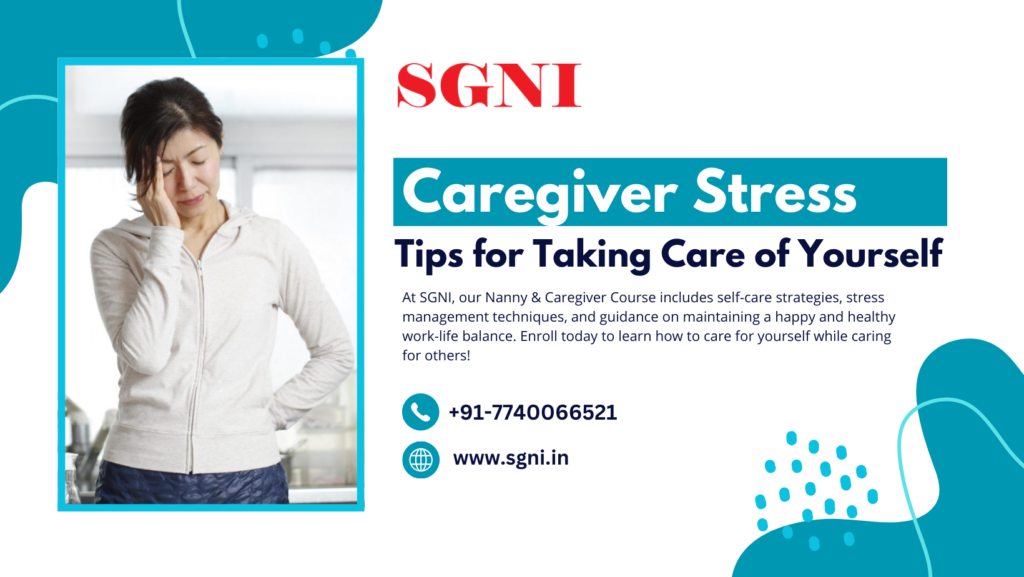
Manage Caregiver Stress with Self-Care Tips
For any questions or queries, connect with SGNI today!

Introduction
Caregiving is a rewarding yet demanding role that requires both physical and emotional strength. Whether you are taking care of children, the elderly, or individuals with special needs, it’s easy to prioritize others while neglecting your own well-being. Over time, this can lead to stress, exhaustion, and even burnout. That’s why self-care is not a luxury but a necessity.
Taking care of yourself allows you to be a better caregiver while maintaining your own health and happiness. In this blog, we will explore the common signs of caregiver stress and share essential self-care tips to help you manage stress and maintain a healthy work-life balance.
Understanding Caregiver Stress
Caregiver stress occurs when the responsibilities of caregiving become overwhelming, leading to emotional, mental, and physical exhaustion. It is important to recognize the early signs of stress to prevent burnout. Some of the most common symptoms include constant fatigue, anxiety, irritability, difficulty sleeping, and social withdrawal. If left unchecked, caregiver stress can affect not only your well-being but also your ability to provide quality care.
Acknowledging these feelings is the first step toward improving your situation. Many caregivers feel guilty about taking time for themselves, but it is important to understand that self-care is essential for long-term sustainability in caregiving.
Practical Self-Care Tips for Caregivers
1. Take Care of Your Physical Health
Your body is your most valuable asset in caregiving, so it’s essential to keep it strong and healthy. Start by maintaining a nutritious diet filled with fresh fruits, vegetables, proteins, and whole grains. Avoid excessive caffeine and processed foods, as they can lead to energy crashes. Staying hydrated by drinking enough water throughout the day will also help you maintain high energy levels.
Regular physical activity is another crucial aspect of self-care. Engaging in simple exercises like walking, stretching, or yoga can help reduce stress and improve overall health. Equally important is getting enough sleep—aim for at least seven to nine hours each night to allow your body and mind to recharge.
2. Set Boundaries and Prioritize Your Needs
Caregivers often take on more than they can handle, which can lead to burnout. Setting boundaries is essential to maintaining a balance between work and personal life. Clearly define your working hours and communicate with your employer or family members about what you can realistically manage. If necessary, learn to say no to extra responsibilities that may add unnecessary stress.
Boundaries also include making time for yourself. Whether it’s a short break during the day or a day off, stepping away from your duties periodically can help prevent exhaustion and frustration.
3. Take Breaks Throughout the Day
It’s easy to become overwhelmed when you are constantly taking care of others. However, small breaks throughout the day can make a big difference in your mental and physical well-being. Even five to ten minutes of relaxation can help reset your mind and body.
Consider taking a short walk outside for fresh air, practicing deep breathing exercises, or simply sitting in a quiet space with a warm cup of tea. These small moments of self-care can help you recharge and approach your caregiving duties with renewed energy.
4. Seek Emotional Support
Caregiving can sometimes feel isolating, but you don’t have to go through it alone. Having a strong support system can make a world of difference. Talking to a friend or family member about your experiences and emotions can be incredibly therapeutic.
Joining a caregiver support group is another excellent option. These groups provide a space where you can connect with others who understand your challenges, share experiences, and offer advice. If you find yourself feeling consistently overwhelmed, consider speaking with a therapist or counselor for professional guidance.
5. Manage Stress Through Relaxation Techniques
Stress is an inevitable part of caregiving, but managing it effectively can prevent burnout. Incorporating relaxation techniques into your daily routine can help you stay calm and focused.
Practicing mindfulness or meditation allows you to be present in the moment and reduce anxiety. Deep breathing exercises can quickly lower stress levels, while journaling can provide a healthy outlet for your emotions. Engaging in hobbies such as reading, painting, or gardening can also bring joy and relaxation, helping you maintain a positive mindset.
6. Maintain a Healthy Work-Life Balance
Caregiving is an important responsibility, but it should not take over your entire life. Maintaining a healthy work-life balance is key to preventing burnout. Make sure to set aside time for activities you enjoy, such as spending time with family and friends, watching a movie, or going for a short vacation when possible.
Taking care of yourself outside of work ensures that you return to your caregiving role feeling refreshed and motivated. When you create a balance between your personal and professional life, you are better equipped to handle the demands of caregiving.
7. Don’t Ignore Your Mental Health
Mental health is just as important as physical health. If you feel constantly overwhelmed, anxious, or emotionally drained, it’s important to address these issues rather than ignore them. Seeking professional help from a therapist or counselor can provide valuable coping strategies.
Additionally, practicing self-compassion is crucial. Remind yourself that you are doing the best you can and that it’s okay to ask for help when needed. Taking small steps to care for your mental health will ultimately make you a stronger and more effective caregiver.
Learn Self-Care in Our Nanny & Caregiver Course
At SGNI, we understand that caregiving is both a skill and a responsibility. That’s why our Nanny & Caregiver Course not only trains you in professional caregiving but also teaches essential self-care strategies.
In our course, you will learn:
- Effective stress management techniques
- How to maintain a healthy work-life balance
- Emotional resilience and self-care practices
- Practical caregiving skills for different age groups
By enrolling in our nanny program, you will gain the knowledge and skills needed to become a confident and well-prepared caregiver—while ensuring that your own well-being remains a priority.
Take the first step toward a rewarding caregiving career while prioritizing your health. Enroll in SGNI’s Nanny & Caregiver Course today!
Here are some (FAQs)
Caregiver stress can manifest as fatigue, irritability, anxiety, trouble sleeping, social withdrawal, and feelings of overwhelm or burnout. Recognizing these symptoms early is crucial for managing stress effectively.
Managing stress involves setting boundaries, taking regular breaks, practicing mindfulness, engaging in physical activity, and seeking emotional support from friends, family, or support groups.
Self-care helps caregivers maintain their physical and mental health, preventing burnout and ensuring they can provide quality care to others without compromising their own well-being.
Even small moments of self-care, such as deep breathing, stretching, or taking short walks, can help. Setting clear boundaries, asking for help, and scheduling personal time are also effective strategies.
Techniques like meditation, yoga, deep breathing exercises, journaling, and listening to calming music can significantly reduce stress and promote relaxation.
Prioritize your schedule by setting defined working hours, taking time off when needed, engaging in hobbies, and making time for personal relationships and leisure activities.
Seek help from family members, professional caregivers, or support groups. Talking to a therapist or counselor can also provide valuable coping strategies.
Eating a balanced diet with plenty of fruits, vegetables, and protein-rich foods helps maintain energy levels, supports overall health, and improves mood, reducing stress levels.
Yes, many caregivers experience guilt when taking time for themselves. However, self-care is necessary for long-term caregiving success, and taking breaks allows you to provide better care.
Yes! At SGNI, our Nanny & Caregiver Course includes self-care strategies, stress management techniques, and guidance on maintaining a happy and healthy work-life balance. Enroll today to learn how to care for yourself while caring for others!